
Short knife life is a system symptom. Inspect the material, cutter hub, die face and operating conditions before selecting the next replacement.
Pelletizing knife wear is expected in continuous polymer production, but rapid or uneven wear deserves investigation. The visible blade condition may be caused by the resin, abrasive fillers, knife setting, cutter-hub alignment or die-face condition. A structured review can prevent a new knife from repeating the same failure pattern.
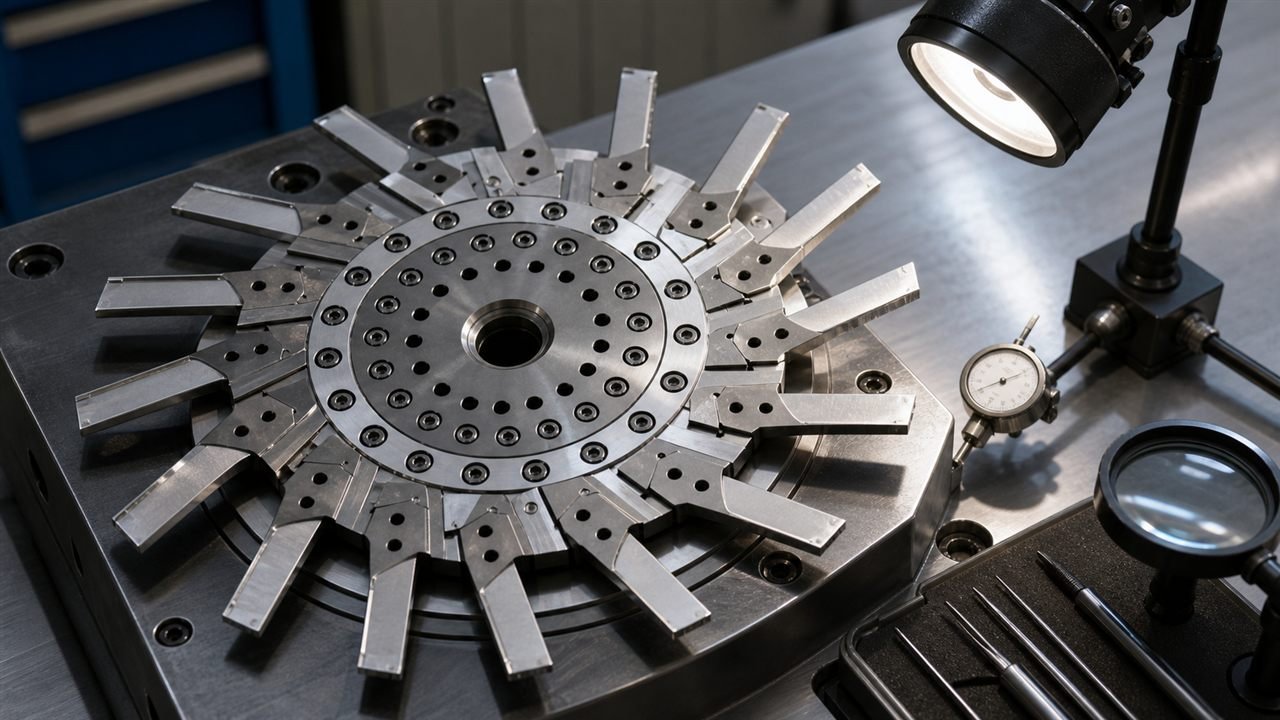
Common Causes of Premature Wear
- Knife material not suited to resin, fillers or temperature
- Uneven blade contact, incorrect setting or cutter-hub condition
- Rough, worn or damaged die-face surfaces
- Contamination or abrasive material conditions
- Local heating or melt-flow instability at the die face
Wear patterns are useful evidence. Localized edge damage can point to alignment or die-face contact, while more uniform wear may be related to the operating material and cutting load. Photos of both sides of the used knife and the die face give engineers a more useful starting point than a life-expectancy question alone.
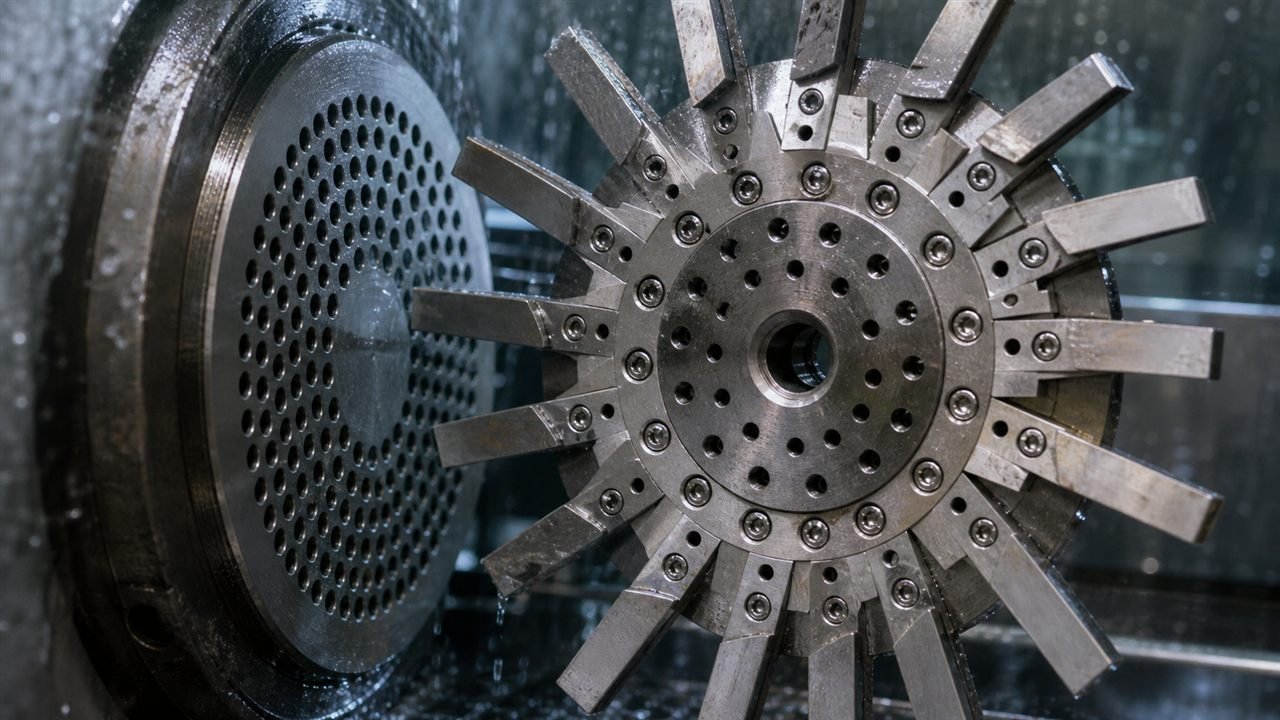
Do Not Inspect the Knife Alone
The knife, cutter hub and die plate work together. A new knife can wear quickly if the contact surface or system setup remains outside the intended condition. Inspecting the complete cutting system is the practical route to a corrective action.
FAQ
Can a harder knife always last longer?
No. The suitable solution depends on the full operating condition, including material, fillers, die-face condition and cutting setup.