
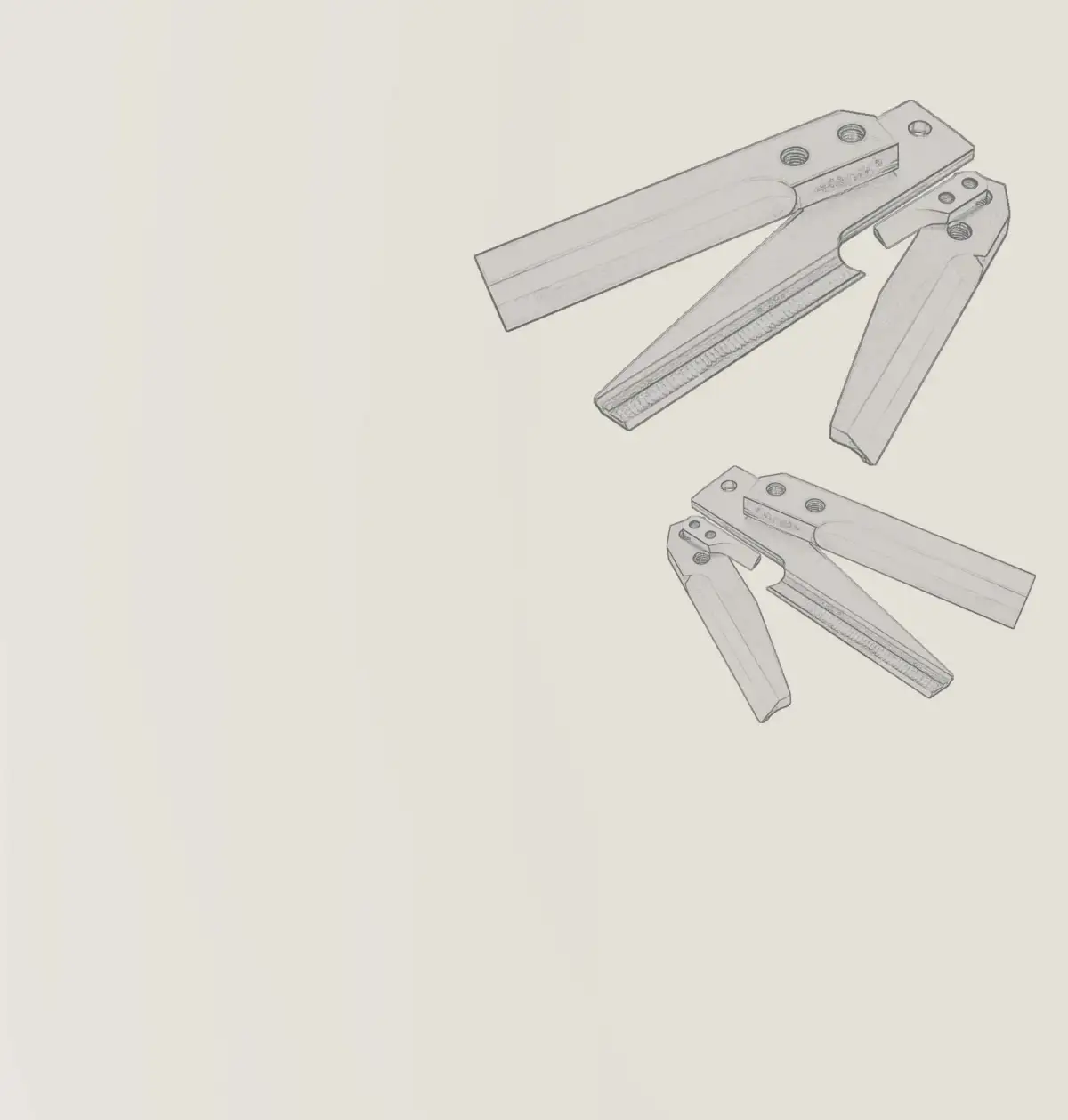
Underwater Pelletizer Knives: Cermet and Steel
Product description
JINFENG supplies underwater pelletizer knives for extrusion pelletizing units in polyolefin plants. Its pelletizing knife range includes NiCr-TiC and Fe-TiC cermet composites as well as steel knives.
Jinfeng has supplied more than 140,000 underwater pelletizing knives to more than 80 large enterprises worldwide.
Choosing a knife type
Choose a composite pelletizer blade or a steel knife to suit the resin and cutting conditions. The existing JINFENG product range has a production capacity of 50,000 knives per year.
Blade materials and service life
Three cutting-edge materials compared for polymer pelletizing:
| Blade material | Wear resistance | Self-sharpening | Service life | Application |
|---|---|---|---|---|
| NiCr-TiC (TiC-NiCr) | Excellent | Good | ≥ 3 months | PE / PP |
| Fe-TiC (TiC-Fe) | Good | Excellent | ≥ 2 months | PP / PE |
| Steel knife | Poor | Excellent | ≥ 10 days | High melt index materials |
Solid steel knives are available in 9Cr18Mo, 9Cr18MoV, W6 and T15.
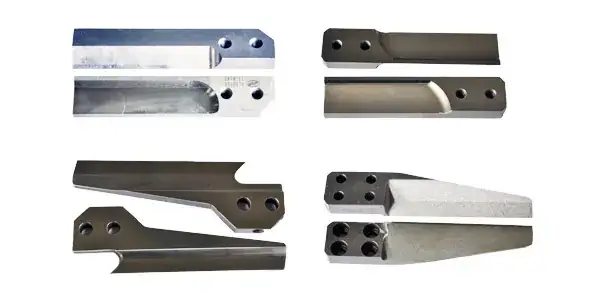
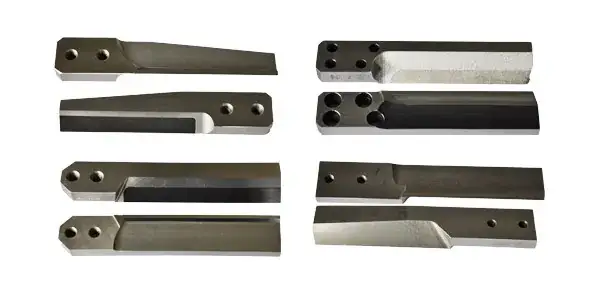
Knife body materials
| Knife body | Properties and operating conditions |
|---|---|
| 40Cr | Toughness for frequent process adjustments; weakly alkaline water |
| 2Cr13 | Corrosion resistance for stable operation; slightly acidic water |
| 17-4PH | Balanced overall properties; widely used |
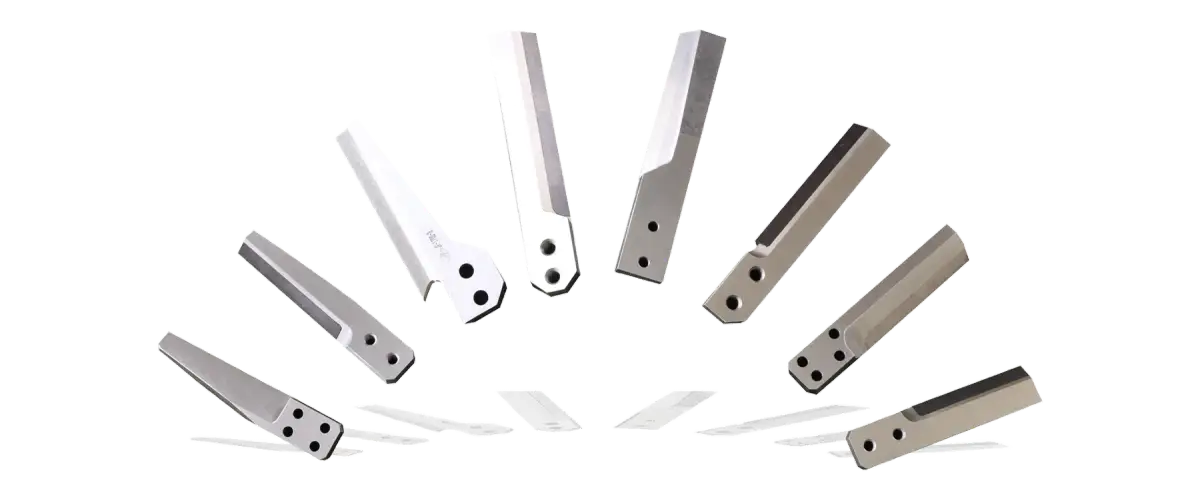
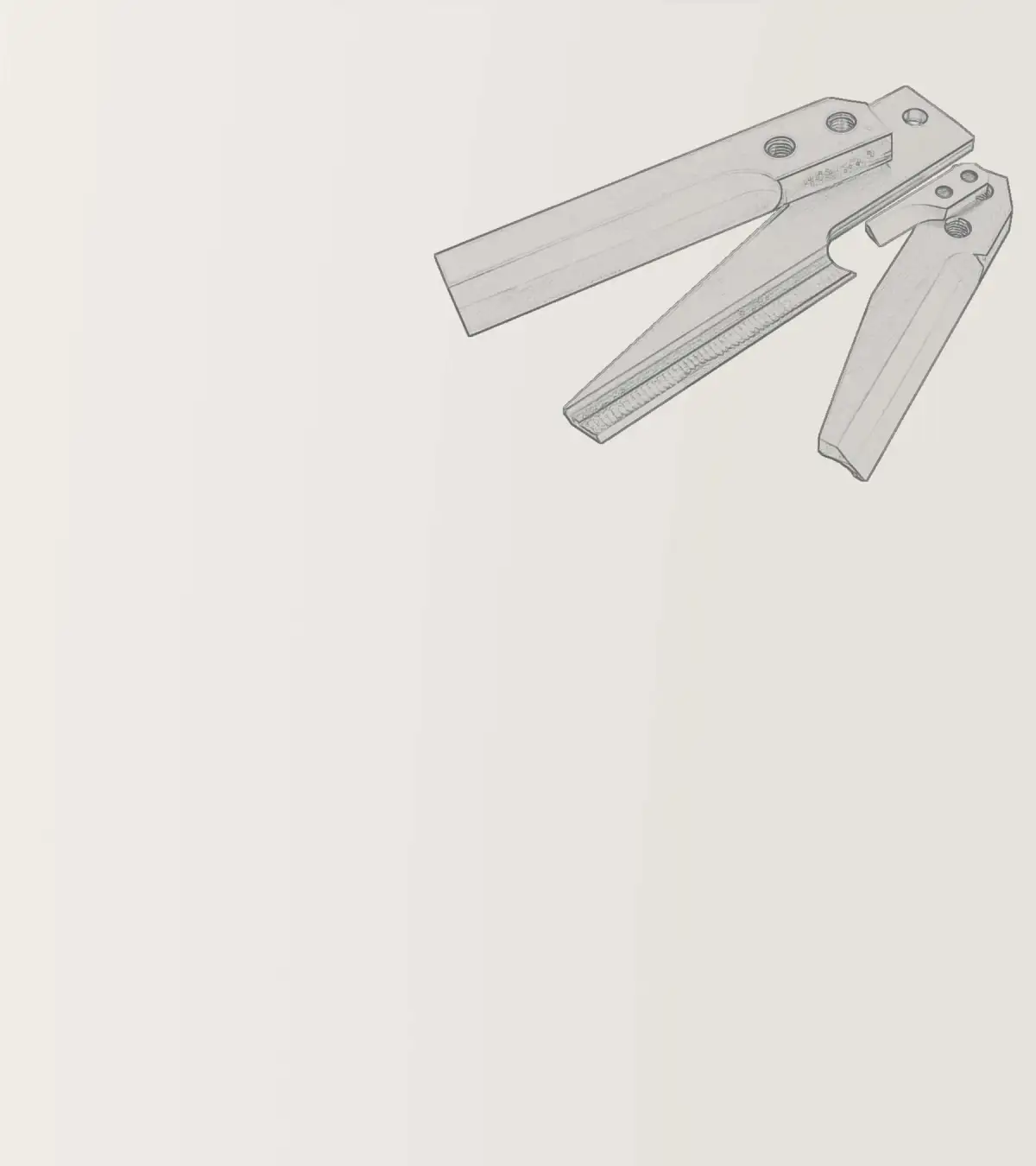
Production Process
Composite knives combine a cermet cutting edge with a structural-steel or stainless-steel body, joined by a dedicated connection structure. This construction brings together edge wear resistance and body strength.
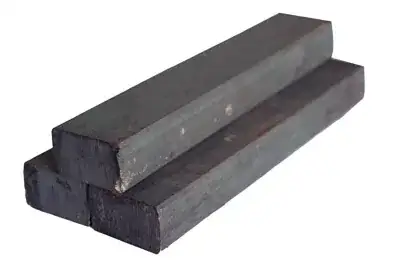
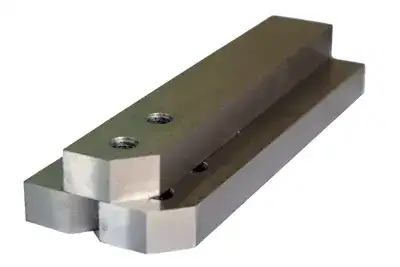
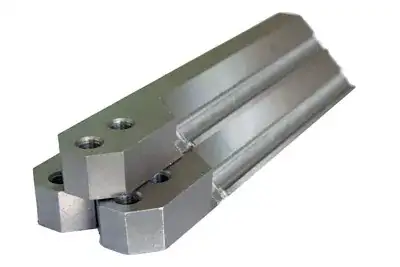
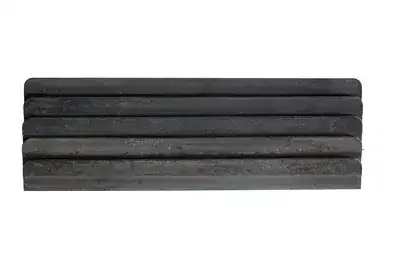
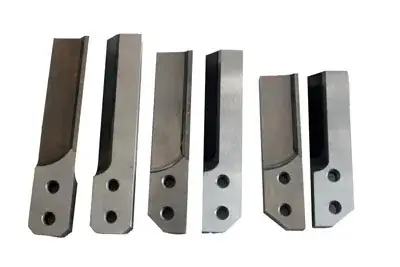
Pelletizing knife Application picture
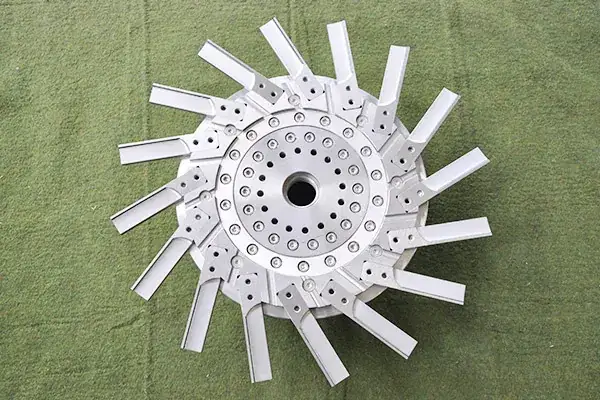
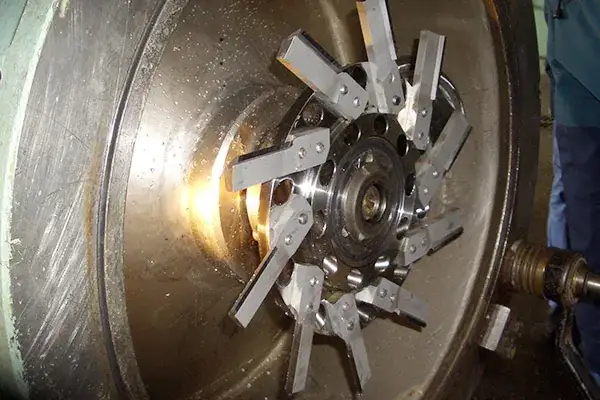
Custom knives from drawings or used samples
A replacement request starts with the existing knife geometry and its mounting arrangement. Provide the drawing when available; otherwise, send a used sample with photographs and measurements for review.
What to measure for a replacement
- Length, width, thickness and cutting-edge orientation
- Mounting-hole dimensions and positions, plus holder interfaces
- Identification marks, resin details and the reason for replacement
Follow the replacement knife measurement guide for the complete checklist.
Knife and die plate contact
Knife geometry, mounting and the condition of the die face act together at the cutting point. Include photographs of both components when wear or pellet shape changes.
Read about knife and die plate matching, or review the die plate range and knife holders.
Urgent knife delivery: Shandong Yulong Petrochemical
Chipped imported knives on a PE line were leaving tails on the pellets. For this incident, JINFENG released replacement knives from stock and a technician flew to the plant that day. Assistance with sharpening restored qualified pellet output.
Pelletizing knife questions
Which cutting-edge materials does JINFENG offer?
The range includes NiCr-TiC cermet composite knives, Fe-TiC cermet composite knives and steel knives. Steel grades include 9Cr18Mo, 9Cr18MoV, W6 and T15.
Which knife-body grades are available?
Knife bodies are made in 40Cr, 2Cr13 and 17-4PH. The choice considers process stability and the acidity or alkalinity of the water.
How do I request a knife without an original drawing?
Send photographs of both sides, measured dimensions, mounting details and information about the used sample. Add the polymer, pelletizer model if known and the reason for replacement.
When should the die face be checked with the knife?
Review the knife and die plate together when wear is uneven or pellet quality has changed. Die-face photos and operating information help assess the cutting system.
Further knife guidance
Expert services
From die plate design to technical support and maintenance, we can help you improve the performance of your production line, expand production capacity, and increase profits.