
A pelletizer knife material should be selected as part of the complete cutting system. Resin grade, filler content, operating temperature, die-face condition and the required maintenance interval all affect the practical choice.
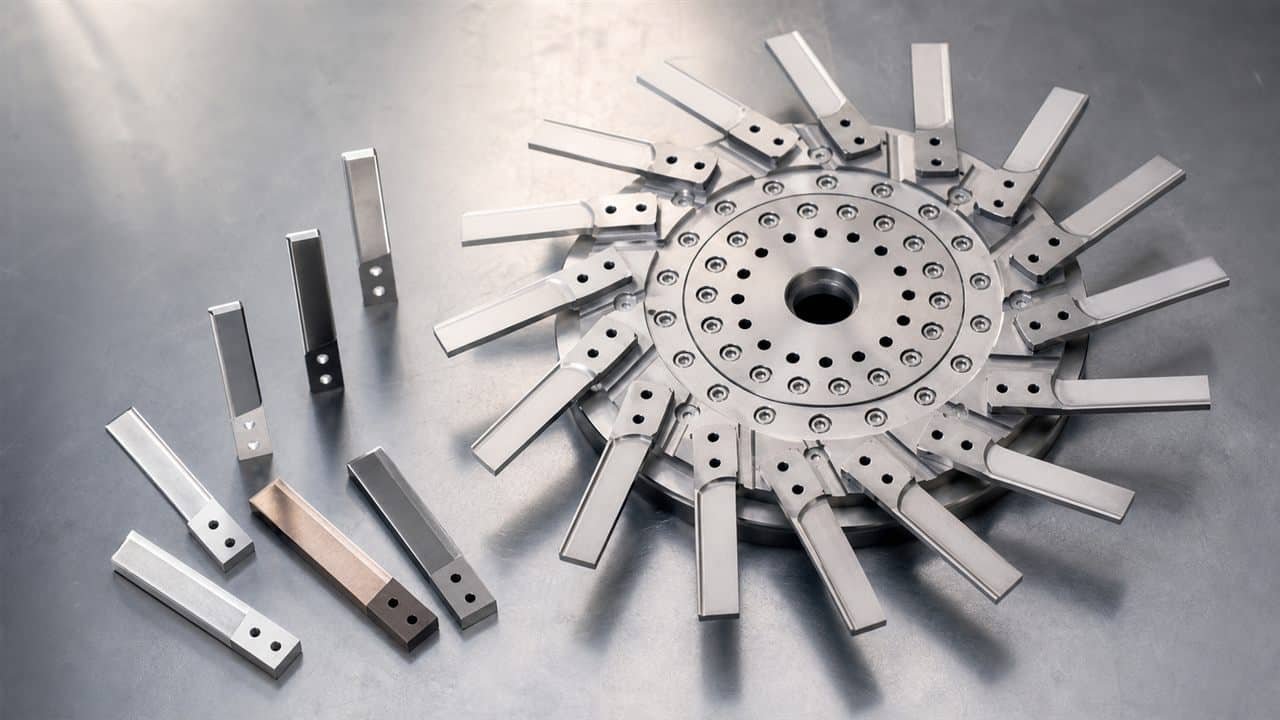
Start With the Polymer and Process
Document the polymer grade, additives or fillers, melt temperature, throughput target and existing cutter configuration. Abrasive compounds and demanding operating conditions can change the balance between edge retention, toughness and maintenance needs.
- Polymer type and filler content
- Die-face temperature and cutting environment
- Knife geometry, mounting and cutter speed
- Observed wear pattern and production objective
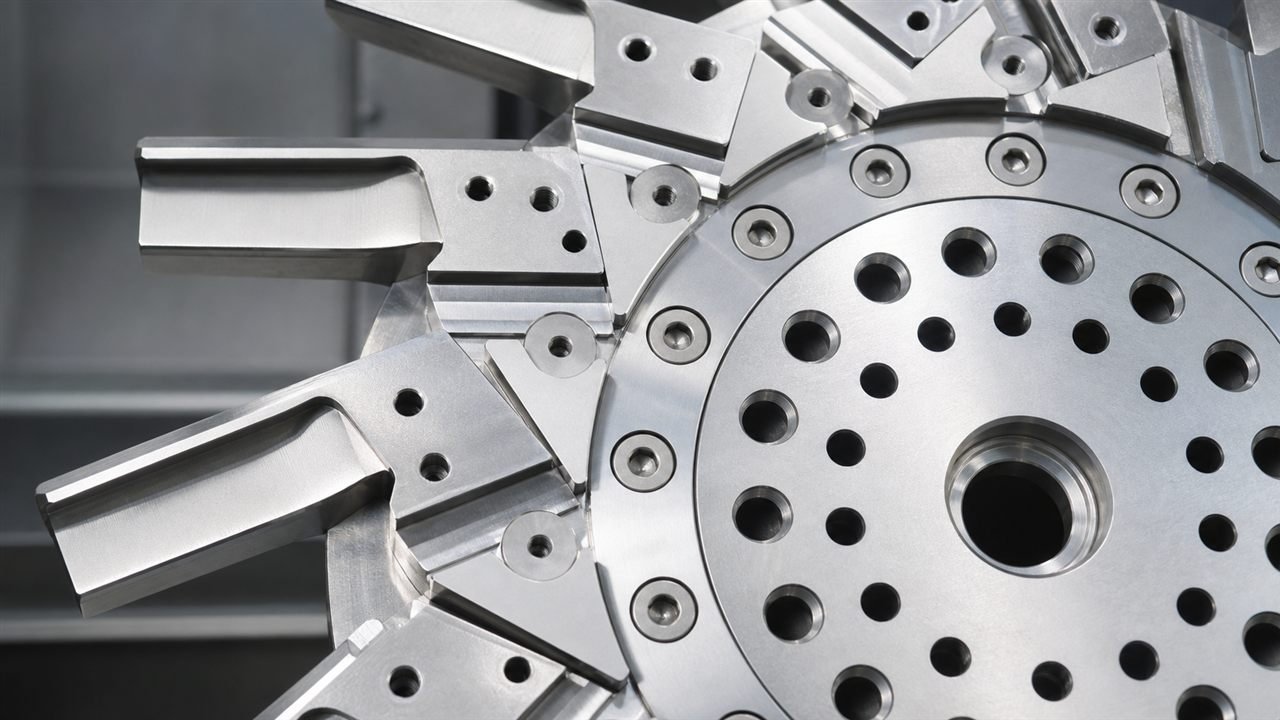
Compare Available Knife Materials
JINFENG offers pelletizing knife options in steel, Fe-TiC cermet and NiCr-TiC cermet. Each option should be evaluated against the process data instead of treated as a universal upgrade. The right recommendation depends on the required wear behaviour, edge condition and mechanical demands of the line.
A supplier review is most useful when it includes photographs of the used knife and die face, along with the material being processed and the current operating problem.
FAQ
Is the hardest knife material always best?
No. Material choice must balance the operating conditions, blade geometry, die-face condition and desired wear behaviour.
What should be sent for a material recommendation?
Provide resin details, photos of the used knife and die face, dimensions, throughput and a description of the current issue.