
CUSTOM DIE PLATE GUIDE
A custom plate is not defined by outside diameter alone. It must match melt distribution, heating, mounting interfaces, knife system and the production target of the line.
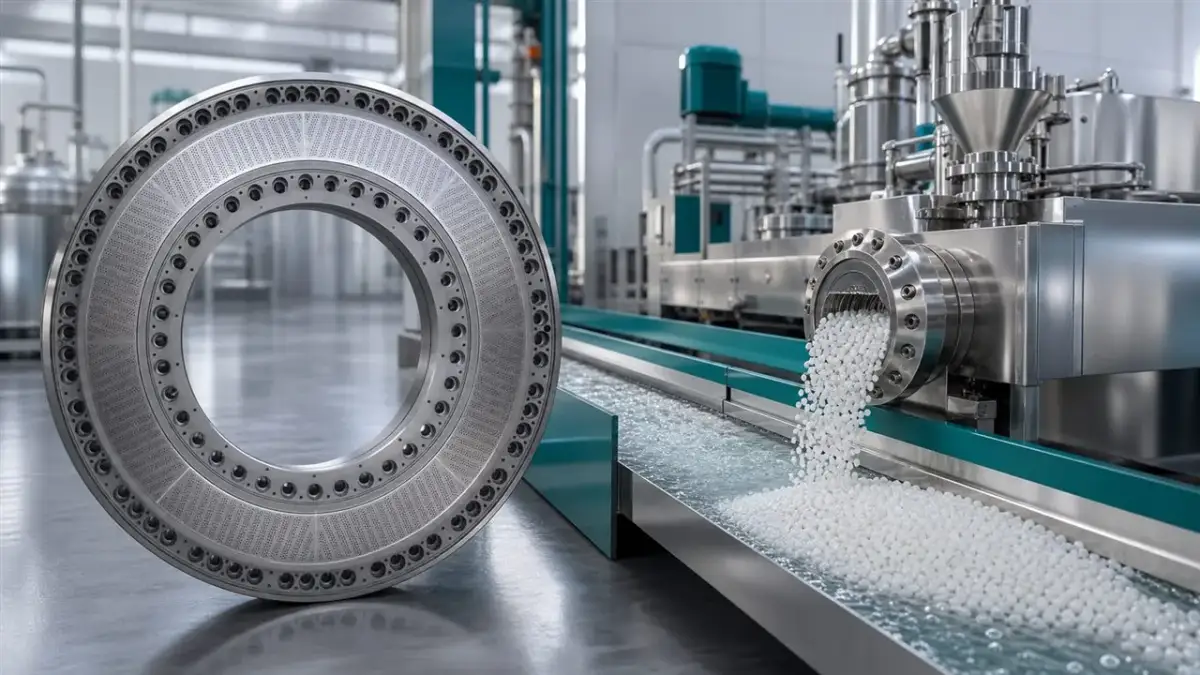
PE and PP underwater pelletizing lines need die plates that fit both the equipment and the polymer process. A custom plate must accommodate the melt inlet arrangement, heating method, hole layout, cutter interface and operating target of the pelletizer. When these variables are reviewed together, the result is more likely to install correctly and support stable pellet production.
Why PE and PP Need Process-Specific Review
Different PE and PP grades can have different melt-flow behavior, additive packages and operating temperatures. A change in grade, output or pellet size can affect the required total flow area and the balance across the die face. Copying a legacy plate without reviewing these variables can preserve an existing problem. The engineering goal is stable melt flow through the active hole pattern under the intended production conditions.
Information for a Custom Design
- Pelletizer brand, model, drawing and interface dimensions
- PE or PP grade, melt conditions and relevant additives
- Target output, pellet size and expected operating range
- Steam or heat-transfer-oil utility details
- Existing plate photos, knife details and current operating symptoms
Fit the Whole Cutting System
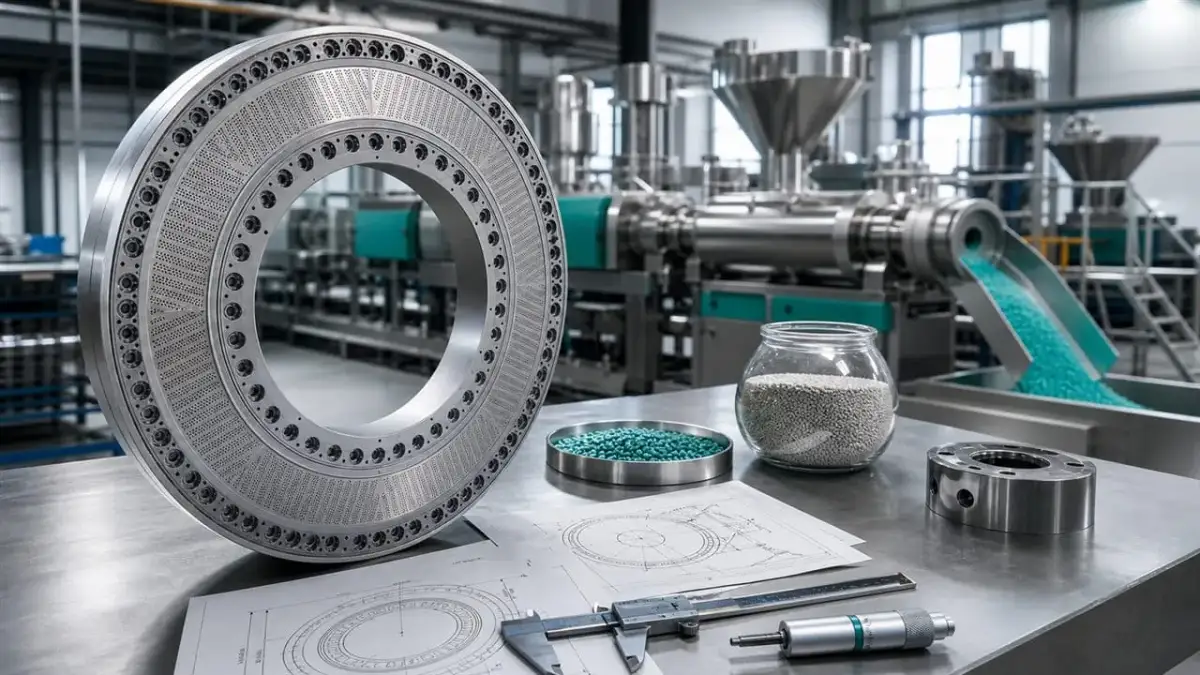
The underwater pelletizer die plate must fit the mounting system and work correctly with the knife assembly. Small differences in interface dimensions, insulation construction or flow channels can affect installation and pellet quality. A custom order should include relevant cutter information rather than treating the plate as an isolated spare part.
During a review, compare the existing plate with the desired outcome: higher output, a new polymer grade, a change in pellet size, improved operating stability or a replacement that avoids prior service issues. This helps establish the design input before manufacturing begins.
Frequently Asked Questions
Can JINFENG manufacture from a sample?
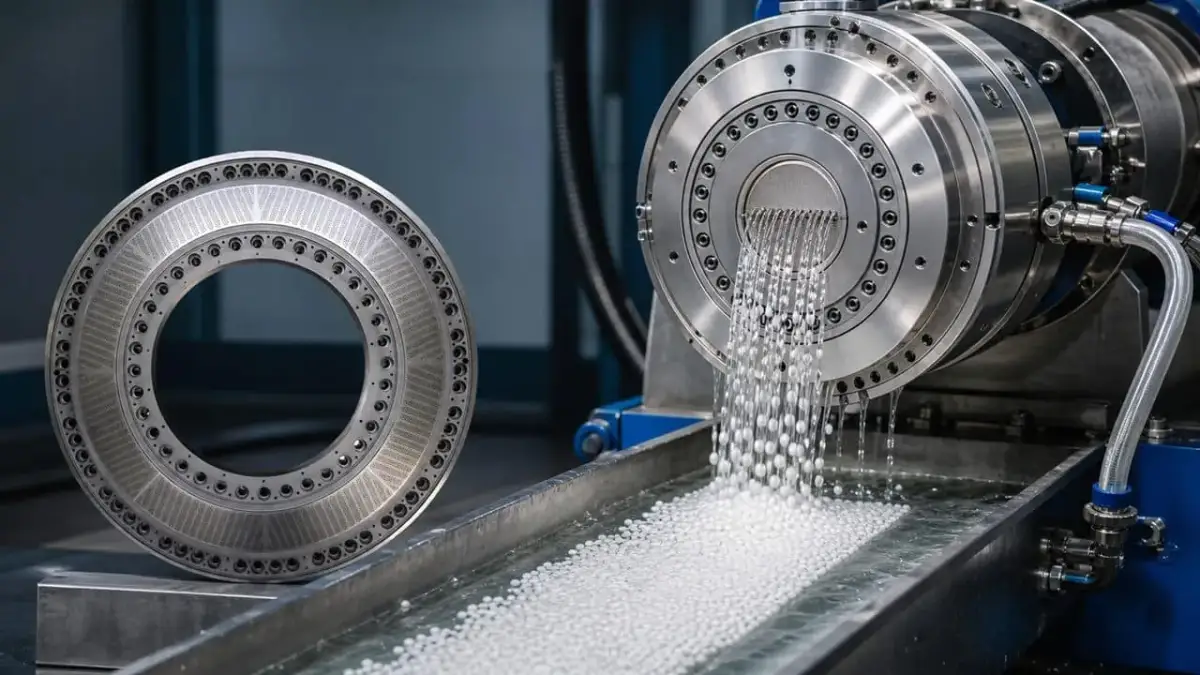
A drawing is preferred, but a sample, measurements, photographs and equipment details can support an engineering review.
Share your drawing, pelletizer model and process data through the JINFENG contact page to request a custom die plate review.