
Longer pelletizer knife service life is the result of a stable cutting system, not a single adjustment. Correct installation, sensible inspection and attention to the die face help prevent avoidable wear and unplanned knife changes.
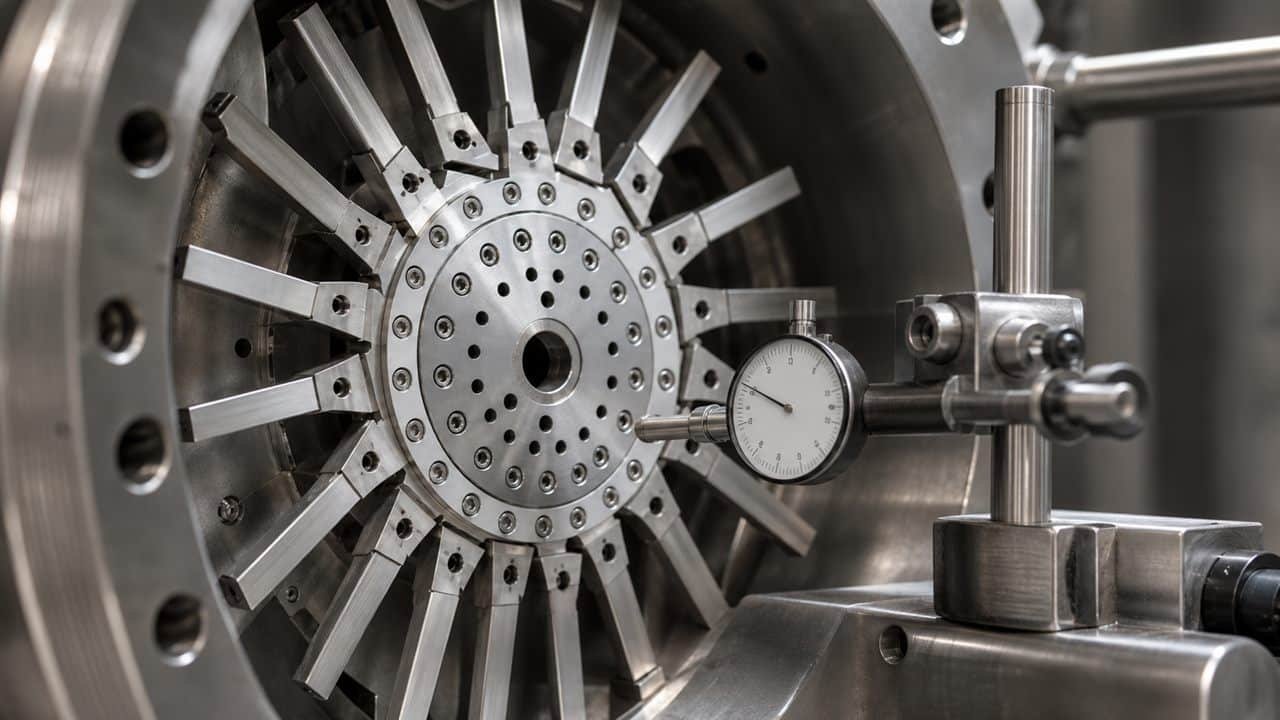
1. Check Installation and Alignment
Confirm that the knife is installed correctly, the mounting surfaces are clean and the cutting arrangement is set according to the equipment requirements. A knife that is not working evenly across the die face can develop an irregular wear pattern.
- Inspect the knife edge before installation
- Check mounting hardware and seating surfaces
- Review alignment and cutting contact during planned checks
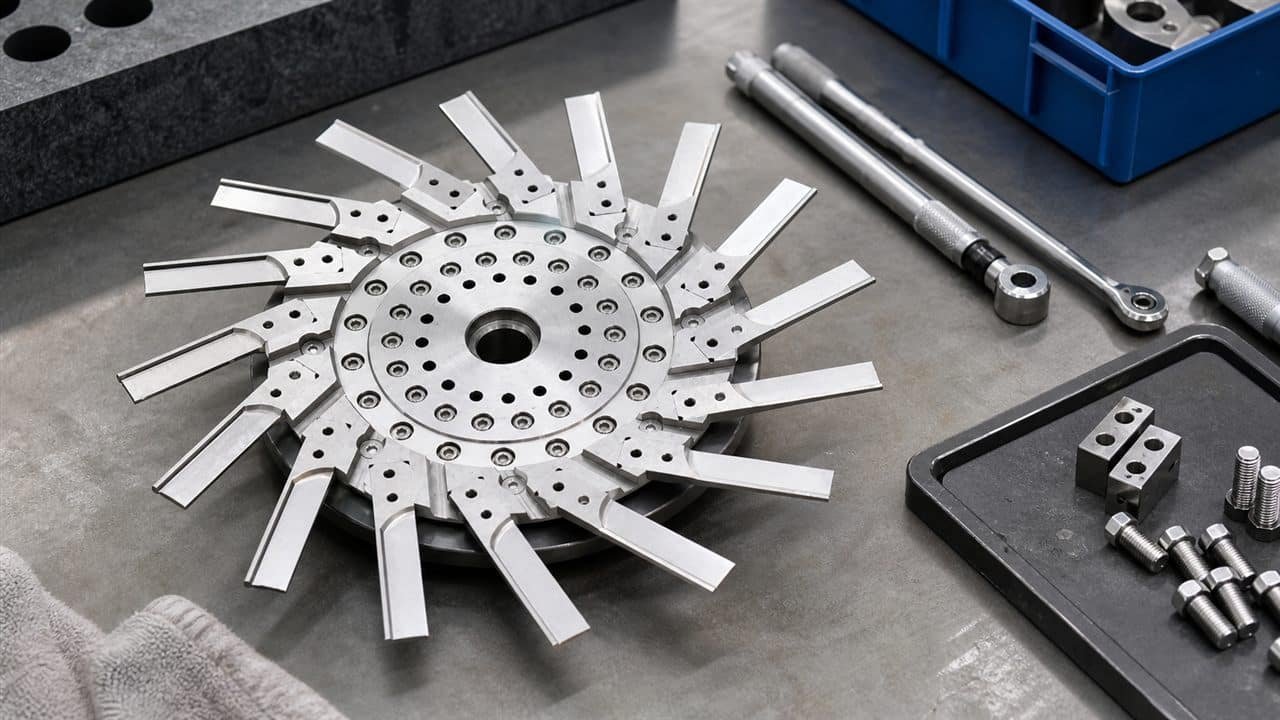
2. Inspect the Knife and Die Plate Together
The knife cannot be evaluated in isolation. Review the die-face condition, hole area, melt flow behaviour and pellet output alongside the blade. If an issue reappears after replacement, the underlying process or die condition may need attention.
Keep photos and basic operating notes from each inspection. They provide useful evidence when deciding whether the next step is a knife change, a setting review or a die plate assessment.
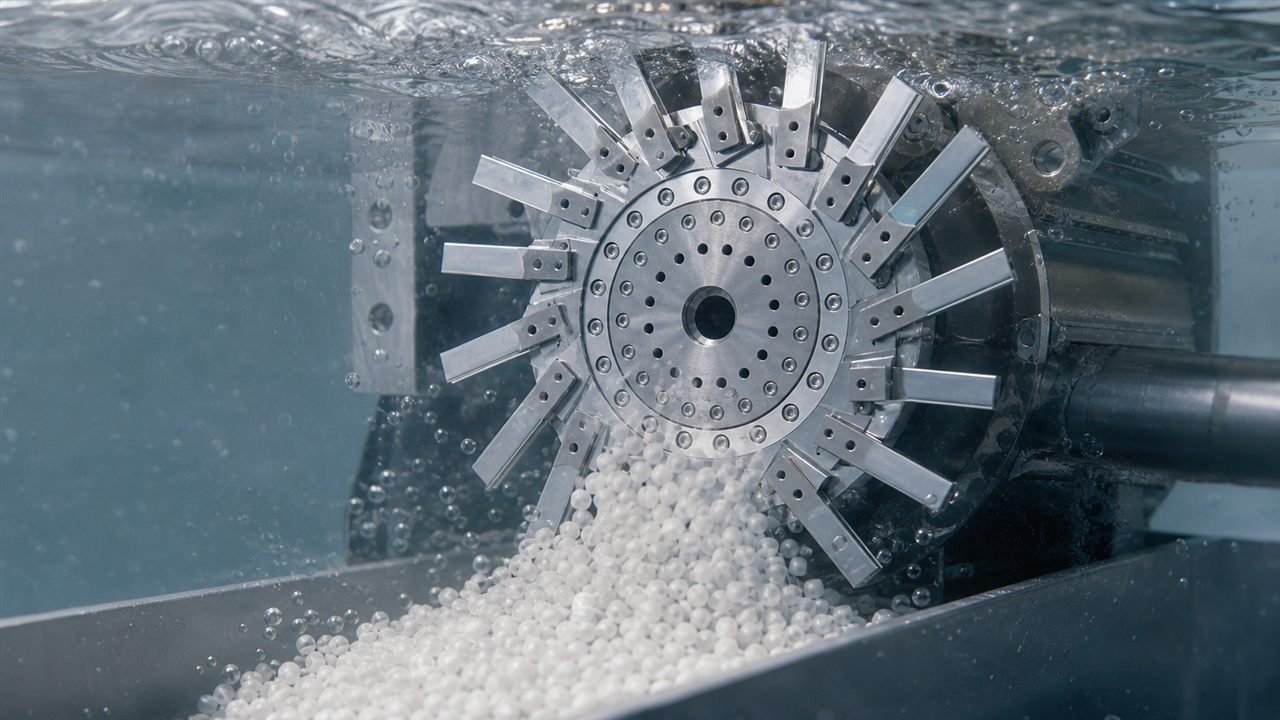
3. Use Wear Patterns as Process Feedback
Uneven edge wear, chipping, rapid loss of cutting quality or changing pellet shape are signals to investigate. Compare the current knife with the previous one and note resin changes, throughput adjustments and maintenance work completed since the last run.
FAQ
Can a knife alone solve an ongoing pellet quality problem?
Not always. The die plate, cutting setup and process conditions can also affect the result.
What is the best maintenance interval?
Set it from your resin, operating conditions and observed wear, then refine it using inspection records.