
Choose a pelletizing knife from the complete cutting process, not from a photograph or blade size alone.
An underwater pelletizer knife cuts molten polymer at the die face. The correct knife must fit the cutter hub and operate with the die plate, resin, output and water-side conditions. A replacement that looks similar can still produce unstable pellets or premature wear if these inputs are not reviewed.
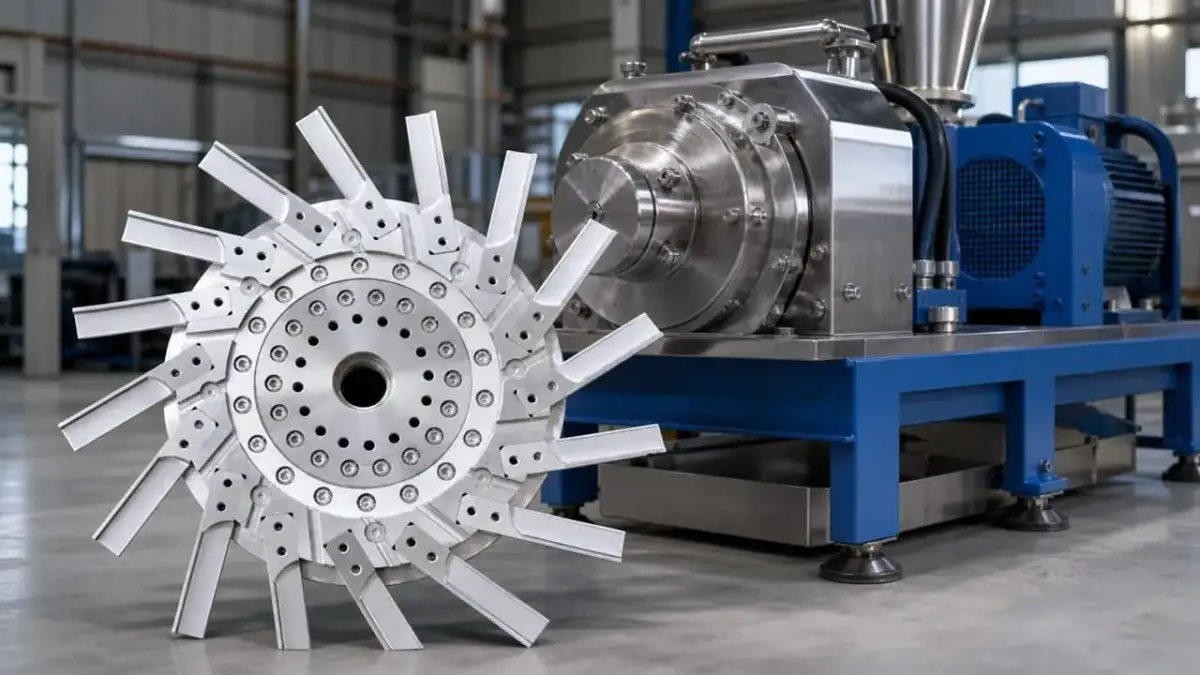
Five Inputs for Knife Selection
- Pelletizer brand, model and cutter-hub configuration
- Knife drawing, sample or key mounting dimensions
- Polymer grade, fillers and relevant material conditions
- Required output and pellet-quality target
- Current die plate condition and knife failure symptoms
These inputs help determine the blade geometry, mounting configuration and suitable material. JINFENG can provide steel, Fe-TiC cermet and NiCr-TiC cermet pelletizing knife options after an engineering review. Material should not be selected by hardness alone; resin, fillers, temperature, die-face condition and expected operating conditions all matter.
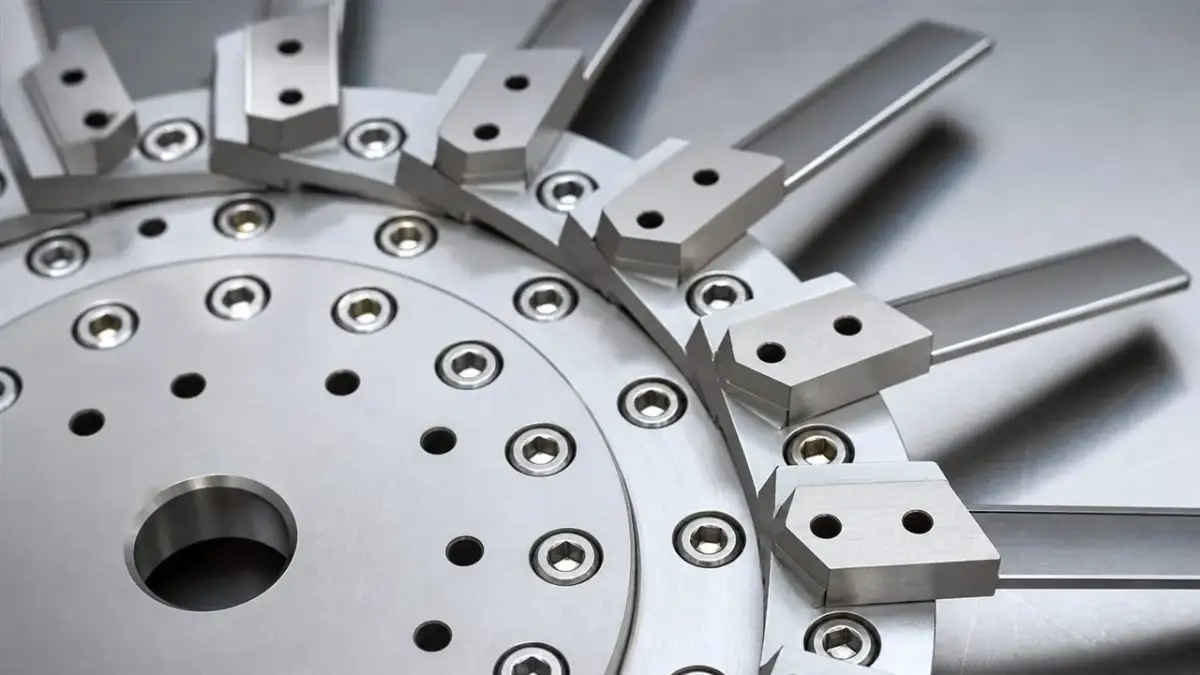
Review the Knife and Die Plate Together
The pelletizing knife and the underwater pelletizer die plate form one cutting system. Knife pressure, blade edge condition and die-face surface affect how melt is cut. When pellets become irregular, replacing only the knife may not address the root cause.
FAQ
Can a knife be quoted from a photo?
A photo helps, but a reliable review also needs a drawing, dimensions or sample, pelletizer model and process information.