
A pelletizer knife should be replaced based on its actual cutting condition and the production evidence around it. Waiting for a complete failure can turn a planned spare-parts action into an avoidable interruption.
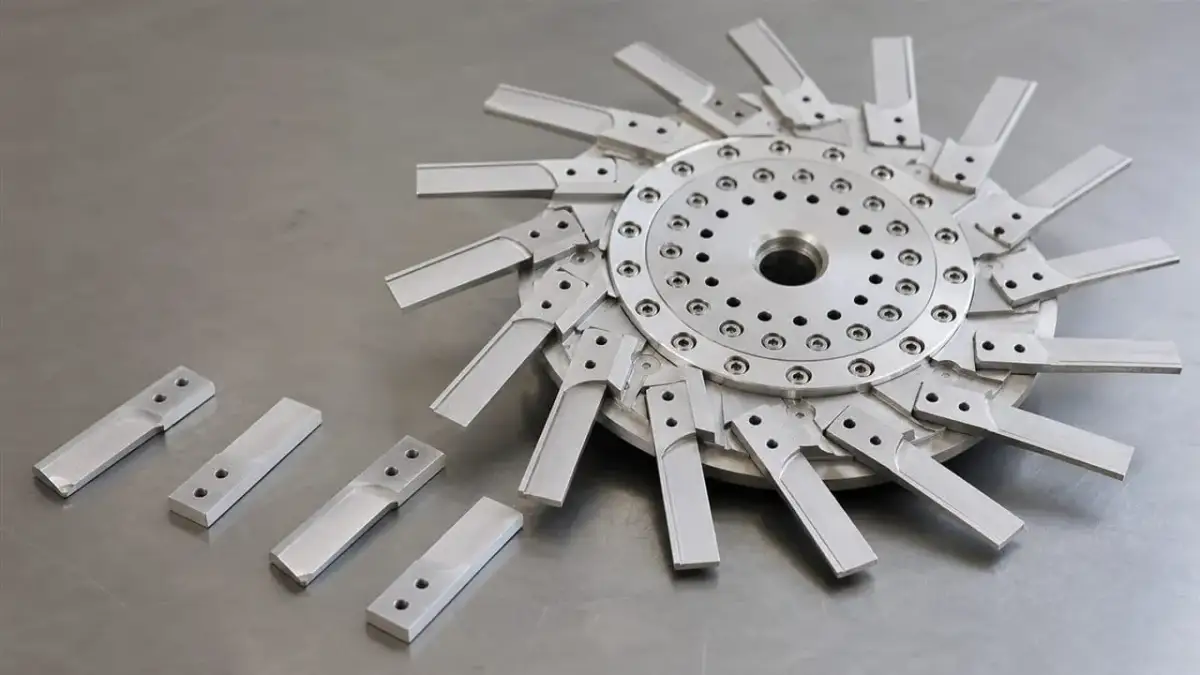
Common Signs to Investigate
- Uneven or visibly damaged blade edges
- Repeated chipping or an irregular wear pattern
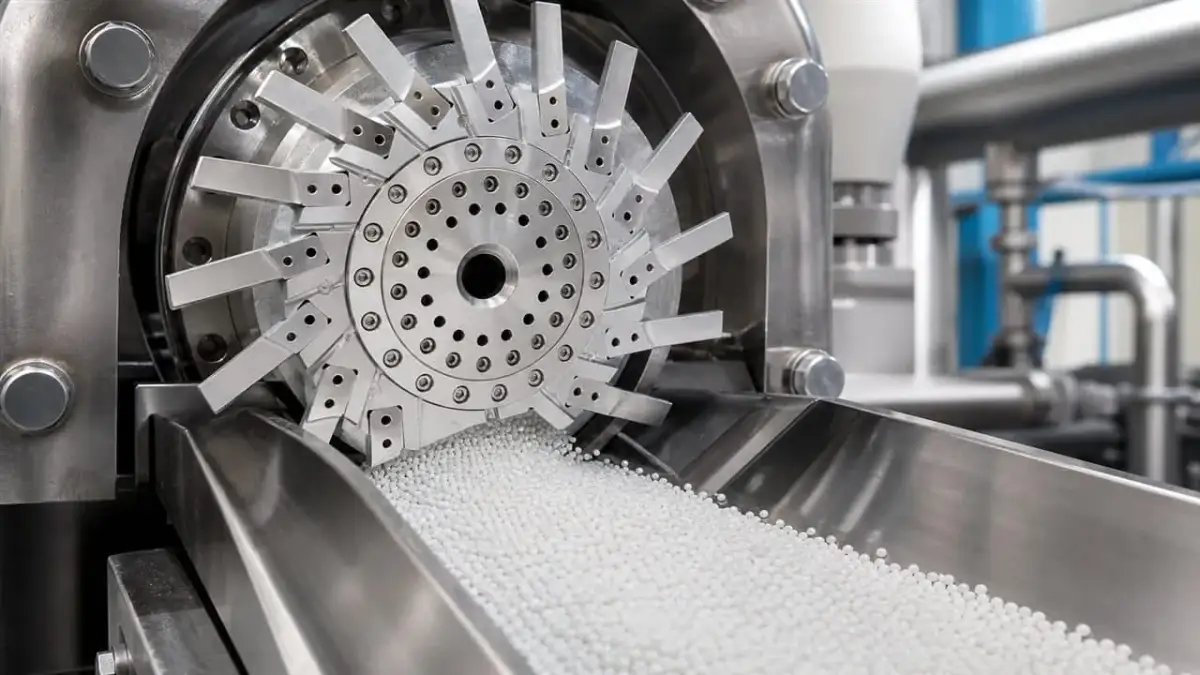
- Changes in pellet shape, fines or cutting stability
- A shortening maintenance interval compared with normal operation
- Difficulty returning to a stable cutting condition after adjustment
These signs should prompt inspection, not an automatic conclusion. Check whether the same condition is present on the die face or whether the resin and operating conditions have changed.
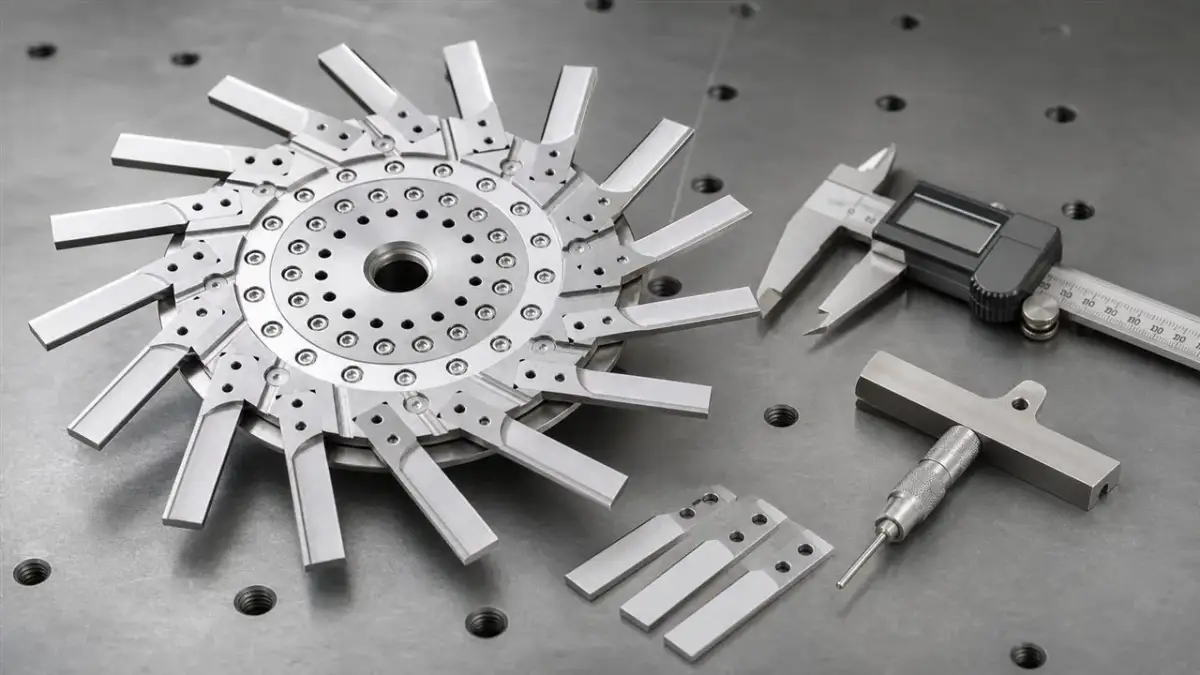
Prepare the Replacement Request
For a practical replacement quote, retain the old knife where possible and record its overall dimensions, blade arrangement, mounting features and material being processed. Photos of the used blade and die face help compare the proposed specification with the real production condition.
Include the reason for replacement: normal wear, edge damage, poor pellet quality, a line conversion or a change in resin. That context is often more useful than a part number alone.
FAQ
Should I replace a knife whenever pellet quality changes?
First inspect both the knife and die plate, then compare the current process conditions with the last stable run.
What information makes a replacement quote faster?
Photos, dimensions, mounting details, resin information and the production issue are the key inputs.